
Compare Local Contractors for Solar Installation Success
Compare local contractors for solar installation to define project scope, verify experience, and establish clear expectations in writing for a successful outcome.
Solar installation contractors typically handle a range of services related to designing, permitting, and physically installing solar energy systems on residential or commercial properties. Their work often includes assessing the property's suitability for solar, creating system layouts, securing necessary permits, and installing panels, wiring, and inverters. Some contractors may also provide assistance with system integration and initial setup, ensuring the solar array functions properly once completed. Understanding the scope of work helps property owners clarify what services to expect and ensures that the project aligns with specific energy goals and property characteristics.
Defining the scope of a solar installation project is essential for establishing clear expectations and avoiding misunderstandings. A well-outlined scope details the specific tasks to be performed, the materials involved, and the responsibilities of the contractor. This clarity can help property owners verify that the work covers all necessary components, such as mounting hardware, electrical connections, and system testing. Additionally, a detailed scope provides a basis for documenting agreements and can serve as a reference point if questions or issues arise during or after installation.
When comparing local contractors for solar installation, property owners should consider several practical factors. It’s important to verify the experience and expertise of each service provider in handling similar projects within the area. Reviewing their work history, references, or portfolio can provide insight into their capabilities. Comparing how contractors define their scope of work and the level of detail they provide in proposals can also help identify those who are thorough and transparent. Finally, establishing clear communication and ensuring that all project expectations are documented in writing can facilitate a smoother process and better outcomes.
Compare local contractors by outlining project priorities, verifying experience, and establishing clear scope and expectations in writing.
- Compare Contractor Credentials - Review the experience and qualifications of local contractors to ensure they meet project requirements.
- Define Project Scope Clearly - Establish detailed expectations and work scope to avoid misunderstandings during installation.
- Verify Experience and References - Check previous work and references of service providers to assess their expertise.
- Document Agreements in Writing - Ensure all project details and expectations are documented to provide clarity and accountability.
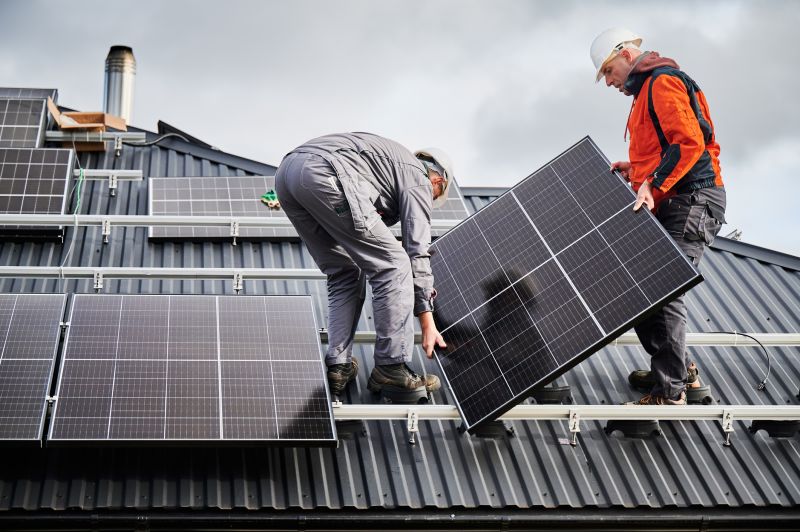
Before comparing options, clearly define your project scope and verify the experience of local contractors.
- Verify experience and references of local contractors in solar installation projects. - Ensure contractors have a proven track record with similar solar systems and can provide verifiable references.
- Compare scope of work and services offered by different service providers. - Clarify what is included in each proposal to ensure all necessary tasks are covered.
- Review written estimates that clearly outline the project scope and responsibilities. - Look for detailed documentation that defines the work to be performed and materials used.
- Assess the quality and specifications of solar equipment recommended by local contractors. - Confirm that the equipment meets your expectations and project requirements.
- Discuss and document project timelines, milestones, and completion criteria in writing. - Make sure expectations are clearly set and agreed upon before work begins.
- Check for proper site assessment procedures and ensure local contractors evaluate your property’s suitability for solar installation. - Confirm that contractors conduct comprehensive assessments to identify potential issues and optimize system performance.
Compare local contractors, clarify project scope, verify experience, and set clear expectations in writing.

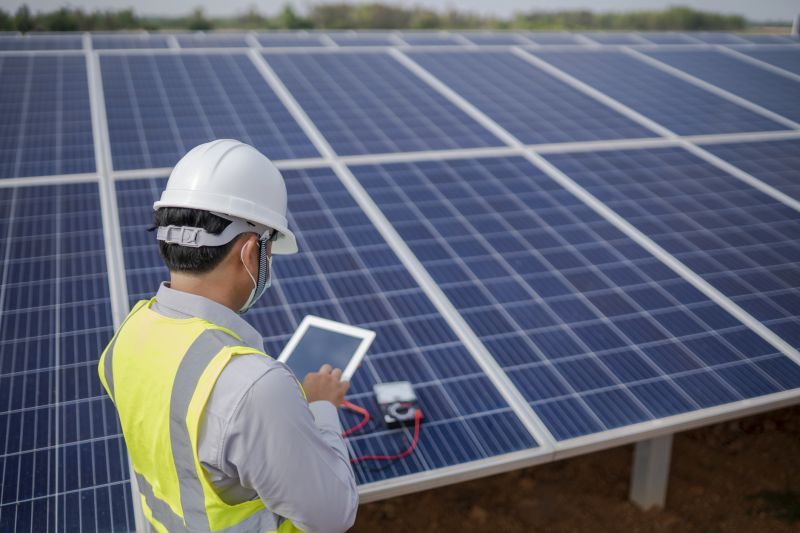

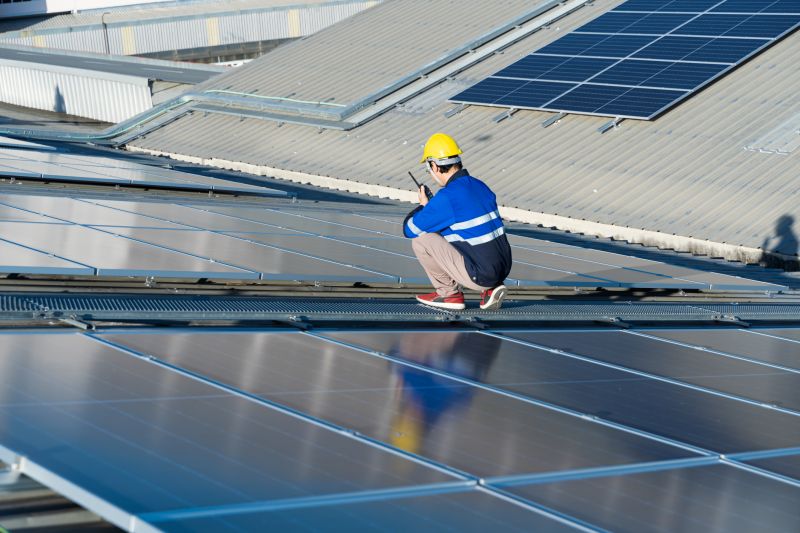
Use clear, consistent scope definitions across service providers to effectively compare experience and set accurate expectations.
- Project Scope Definition - Clearly outline the specific tasks and components involved in the solar installation project.
- Site Assessment - Verify that local contractors evaluate the property’s suitability and any site-specific considerations.
- Experience and Expertise - Confirm that service providers have relevant experience with the type and size of solar systems being installed.
- Scope Documentation - Ensure all project details, responsibilities, and expectations are documented in writing before work begins.
- Work Specifications - Define technical requirements, system capacity, and installation standards to align expectations with local contractors.
When evaluating contractors for solar installation, it’s important to consider their experience with similar projects. Homeowners should inquire about the types of systems the contractor has installed and the complexity of those projects. A contractor with a history of working on homes comparable in size, design, or energy needs can provide insights into their familiarity with common challenges and best practices. Verifying this experience helps ensure that the service provider understands the nuances of solar installation relevant to the specific site conditions and system requirements.
A clear, written scope of work is essential for effective project planning and managing expectations. Homeowners should seek detailed documentation that outlines the tasks to be completed, the materials to be used, and the responsibilities of the contractor. This written scope acts as a reference point throughout the project, reducing misunderstandings and ensuring that both parties agree on what will be delivered. It’s advisable to review the scope thoroughly and ask questions to clarify any ambiguities before proceeding.
Verification of a contractor’s background involves more than just checking references; it includes confirming that the service provider has experience with the specific type of system desired and understanding their approach to installation. Homeowners should ask for examples of past projects similar in scope and complexity, and inquire about the process they follow from planning to completion. Confirming that the contractor’s expertise aligns with the project’s needs helps establish confidence in their ability to deliver quality work.
When comparing options, it’s important to focus on the details of each proposal beyond pricing. Homeowners should evaluate the clarity of the scope, the experience and reputation of the service providers, and how well their proposed approach matches the project’s requirements. Reviewing the written scope, verifying experience through references or project examples, and asking detailed questions about the process can help identify the most suitable contractor. This approach ensures a thorough understanding of what each service provider offers, facilitating an informed decision based on quality and fit rather than cost alone.
Ask contractors to provide written scope details to ensure clear expectations and consistent project understanding.
- Experience and Credentials - What experience do local contractors have with solar installation projects similar to yours?
- Scope of Work - How do contractors define the scope of the solar installation to ensure all aspects are covered?
- Comparison of Services - What services and equipment are included in each contractor’s proposed scope?
- Project Expectations - How do local service providers clarify project expectations and deliverables in writing?
- Work Process and Communication - What is each contractor’s process for managing the project and communicating progress?
How can I compare solar installation contractors? To compare contractors, review their experience, verify references, and assess their scope of work to ensure they meet project requirements.
What should I consider when defining the scope of a solar installation? Clearly outline the size, type, and location of the system, as well as any additional work needed, to set clear expectations with contractors.
How do I verify a contractor's experience in solar installation? Ask for details about their past projects, check references, and confirm their familiarity with the specific equipment and installation methods required.
Why is it important to get a detailed written agreement with a contractor? A written agreement helps clarify the scope, responsibilities, and expectations, reducing misunderstandings during the project.
What questions should I ask a solar installation contractor during the selection process? Inquire about their experience, the proposed scope of work, warranties, and how they handle unforeseen issues to ensure clarity before proceeding.
How can I ensure a contractor understands my project needs? Provide detailed project specifications and ask for their input to confirm they understand the scope and can deliver accordingly.
By exploring the information provided, visitors should now have a clearer understanding of how to evaluate and compare contractors for solar installation. They learned the importance of defining the scope of work, verifying the experience of service providers, and setting clear expectations in writing to help ensure the project meets their needs. Utilizing the quote form allows for easy comparison of options available within the local area, making it simpler to connect with trusted service providers.
Encouraging proactive steps, this is a good opportunity to use the quote form to gather information and compare local contractors. Doing so can help identify experienced professionals capable of handling the job, giving confidence in selecting a service provider that aligns with project requirements. Taking the time to define scope and verify experience can support a smooth and informed process.